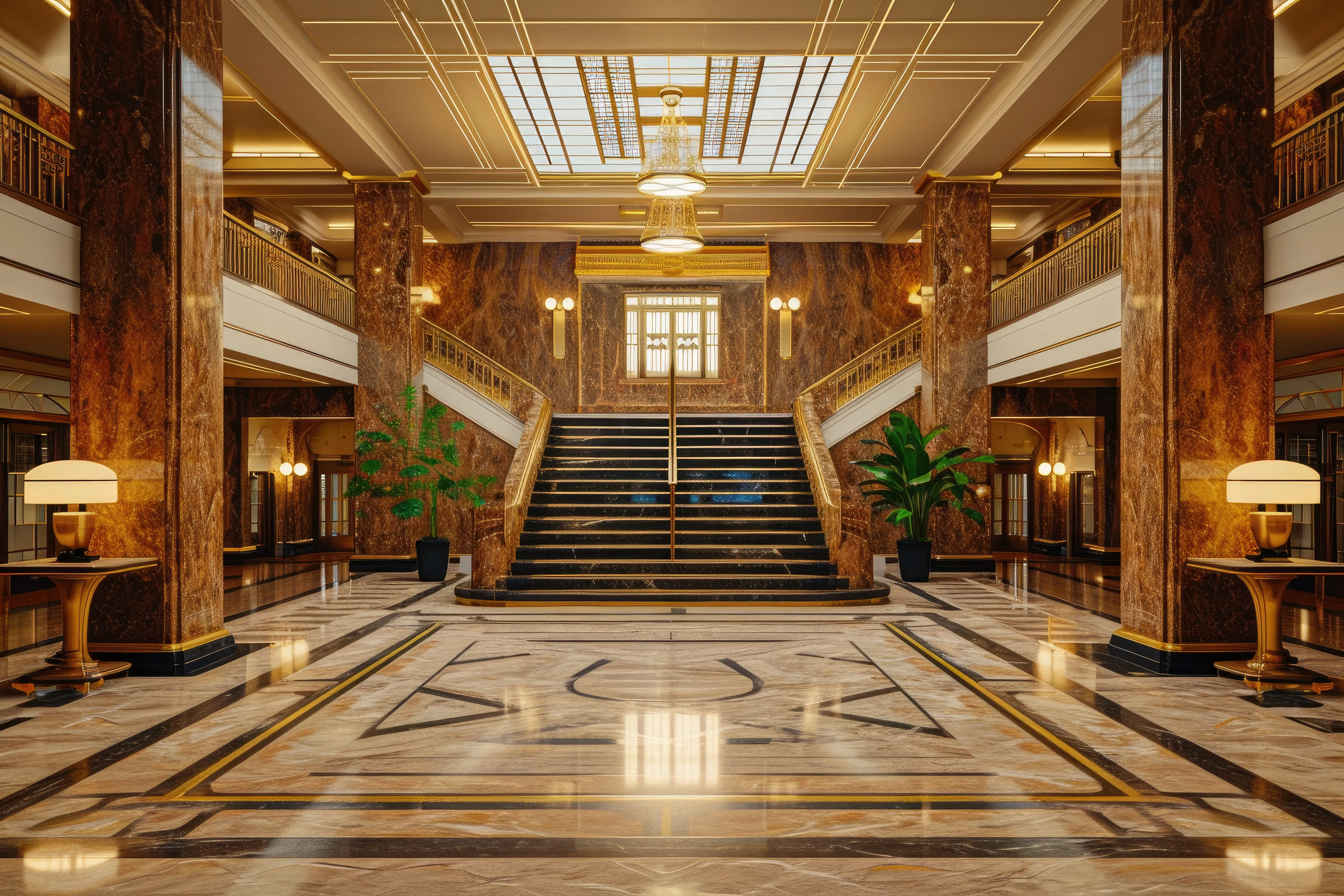
Ask a hotel manager why the music changes from the lobby to the bar to the spa corridor, and you'll hear answers ranging from "it creates the right atmosphere" to "it's standard practice." Both are true. Neither is the real answer.
The real answer is that the music is engineering human behaviour — slowing guests down near retail displays, relaxing them in spa zones, energising them in fitness areas. The hotel that understands this is operating at a different level from the one that picked a playlist because it felt right. One is decorating. The other is designing for outcomes.
The same principle extends to every screen, speaker, and moment of contact between a guest and your environment. Each zone is either engineered for a specific outcome — or working against you by accident.
A concrete example: the spa that couldn't fill its afternoon slots
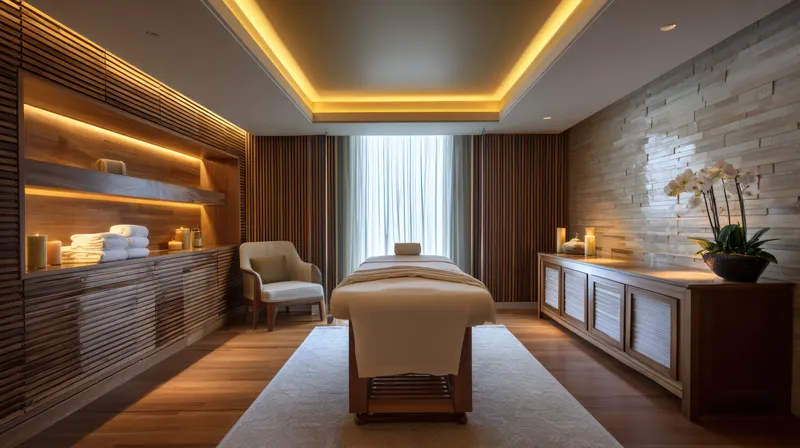
Consider a hotel with a spa that consistently under-books its early-afternoon treatments. The conventional response is better promotion — more appealing imagery on lobby screens, a comment during check-in, perhaps an email on arrival. Motivational. Expensive. And speaking scientifically: relatively ineffective.
The behaviour engineering response asks a different question: at the moment a guest is most likely to book a treatment, what exactly do they see? And what would most efficiently remove the friction between a vague intention and an actual booking?
Integrating certain specific information from the spa's booking system into lobby and in-room screens, in the right way, changes the conversation entirely. Instead of merely providing motivation, the screens become an engineered behavioural prompt: the guest no longer has to want a spa treatment and then go looking. They are given a reason to act, and a path to act on it, at the right moment.
The difference between a promotional message and a behavioural prompt is the difference between hoping guests act and engineering the moment when they do.
Why the environment matters more
According to the 3-30-300 model in a typical commercial property, for every $3 a business spends on utilities, $30 is spent on real estate, and $300 on payroll.
Often optimisation effort focuses on the $3: logical, measurable, and almost completely irrelevant to business performance.
An environment designed to generate just 1% more yield from the $300 column produces returns that dwarf any utility saving. Every screen and speaker in your property is already part of that environment. The question is whether it is working deliberately or by accident.
When you work with Choice Catalyst, the audit of your touchpoints becomes systematic. Which moments in a guest's stay are behaviour-shaping opportunities? Which are currently neutral? Which are actively working against the outcomes you want? The answers are rarely where operators expect to find them — and the interventions are rarely as expensive as the returns they generate.